


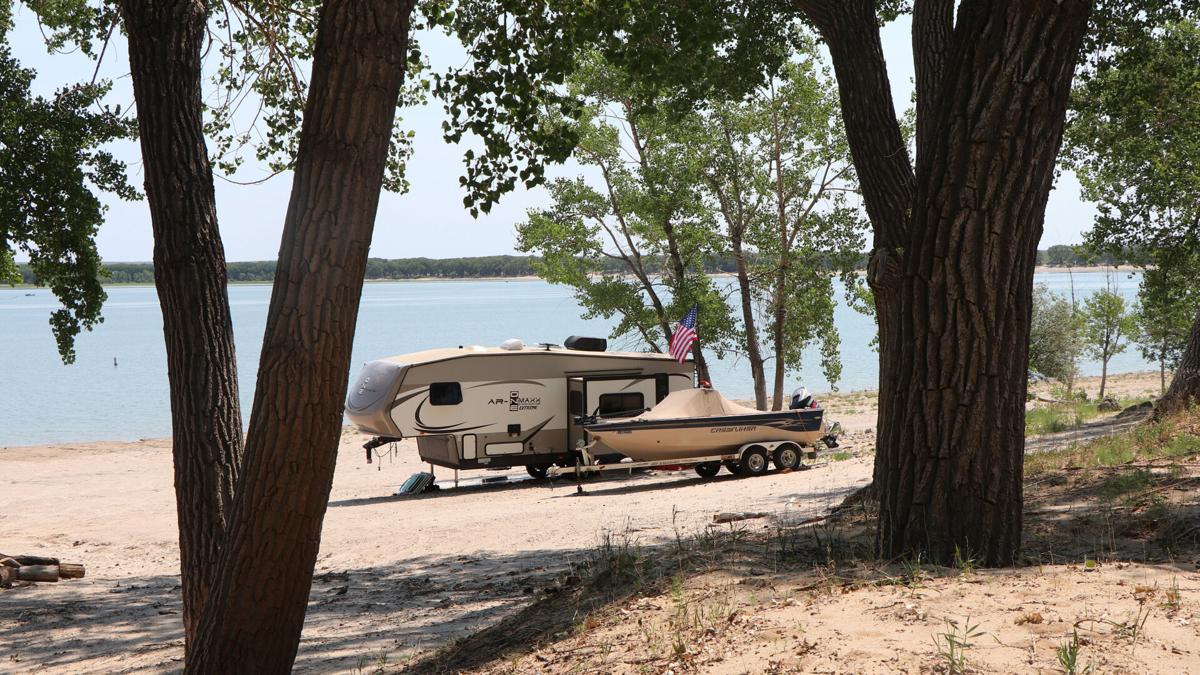
Whether you're traveling to the lake, heading to a campground, or spending the day at the park, keeping perishable foods cold is essential.
Pack meats, dairy products, eggs, cooked beans, cut melons or other fruit, and prepared salads (e.g., cut leafy green salad, pasta or potato salads) in an insulated cooler with plenty of ice or frozen gel packs to keep food at 40°F or below. Consider packing beverages in a separate cooler since it will likely be opened more frequently. Keep coolers in the shade whenever possible and avoid leaving them in a hot vehicle.
If you’re away from clean running water while camping or hiking, pack bottled water, soap, paper towels, or hand sanitizer to keep your hands and food-preparation surfaces clean.
Steps to food safety
Remember these four simple food safety principles wherever summer takes you:
People are also reading…
Clean
- Wash hands with soap and water for at least 20 seconds before preparing or eating food.
- If soap and water aren't available, use hand sanitizer containing at least 60% alcohol until you can wash properly.
- Clean utensils, cutting boards, and food preparation surfaces.
Separate
- Keep raw meat, poultry, and seafood separate from ready-to-eat foods.
- Store raw meats in sealed containers or plastic bags to prevent juices from contaminating other foods.
- Never place cooked meat back onto the same plate that held it while raw.
Cook
- A food thermometer is the only reliable way to know food has reached a safe internal temperature. Color and time alone are not dependable indicators of doneness.
- Safe minimum internal temperatures include:
- Poultry (whole and ground): 165°F
- Ground beef, pork, and other ground meats: 160°F
- Beef, pork, lamb, and veal steaks, chops, and roasts: 145°F followed by a three-minute rest.
Chill
- Refrigerate leftovers within two hours.
- When outdoor temperatures reach 90°F or higher, refrigerate foods within one hour.
- When in doubt, throw it out.
Make food thermometers part of your grilling equipment
One of the most common grilling mistakes is relying on appearance to determine whether meat is fully cooked. Meat can brown quickly on the outside while remaining undercooked inside. Also, while cooking on on-site charcoal grills, temperatures can be variable and not remain steady enough to fully cook meat uniformly.
A digital food thermometer provides accurate readings and helps prevent foodborne illness while avoiding overcooking. Insert the thermometer into the thickest part of the food, avoiding bone, fat, or the grill grate, and clean the thermometer between uses.
Camping and outdoor cooking tips
Camping and outdoor cooking often mean limited access to refrigeration and running water, making food safety even more important. Choose shelf-stable foods when possible, and for longer trips, bring only as much perishable food as can be safely kept cold. Marinate food in the refrigerator before leaving home, rather than on the picnic table or at the campsite. Cook food immediately after removing it from the cooler and return leftovers to the cooler promptly.
Enjoy summer safely
Whether you're roasting hot dogs around the campfire, grilling burgers at the lake, or sharing a meal with family during vacation, practicing safe food handling helps everyone enjoy summer without an unwanted case of food poisoning.